Dubai: The City of Gold
Dubai, one of the seven emirates of the United Arab Emirates (UAE), is a dazzling metropolis on the southeastern coast of the Arabian Peninsula, bordered by the Arabian Desert and the Persian Gulf. Once a modest fishing and pearl-diving village, Dubai has transformed within a few decades into a global hub of trade, tourism, and innovation.
The city’s modern era began with the discovery of oil in the 1960s, but its rapid diversification into finance, aviation, real estate, and tourism propelled it onto the world stage. Today, oil accounts for only a small fraction of Dubai’s economy, with its success driven instead by global connectivity, innovation, and bold ambition.
Home to around 3.6 million people, Dubai is a melting pot of cultures, with expatriates forming nearly 85% of its population. This multiculturalism is reflected in its cuisine, festivals, and cosmopolitan lifestyle.
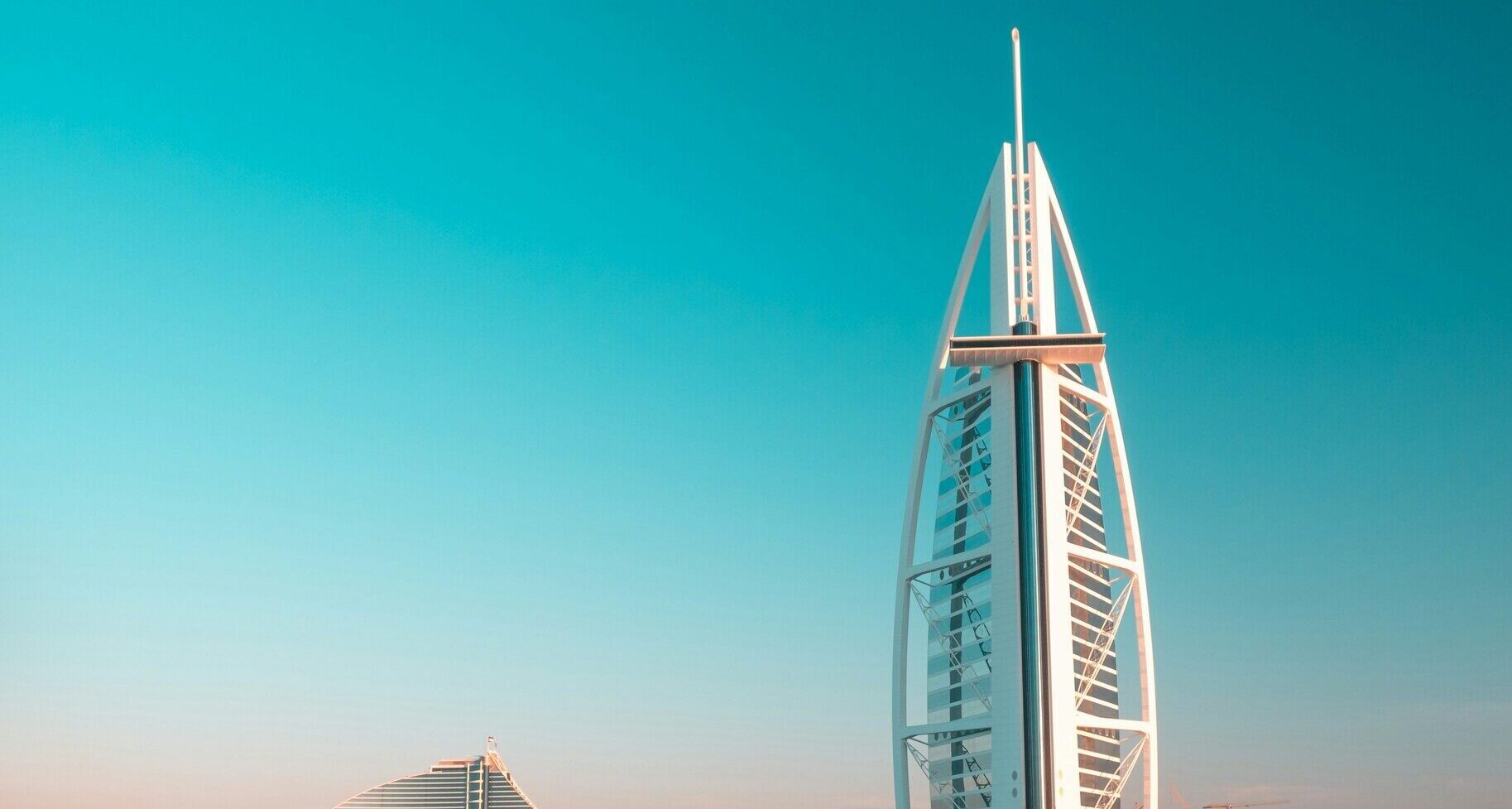
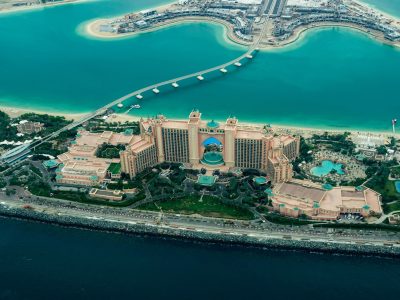
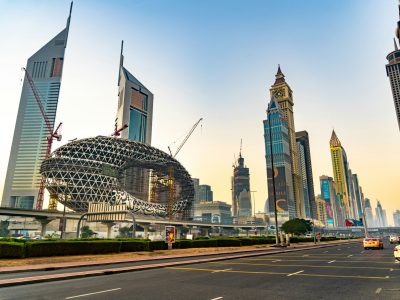
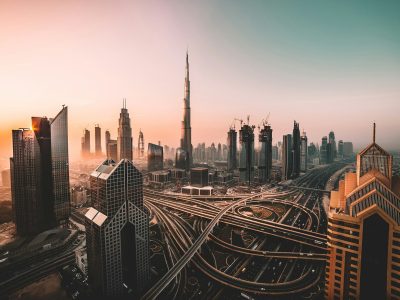
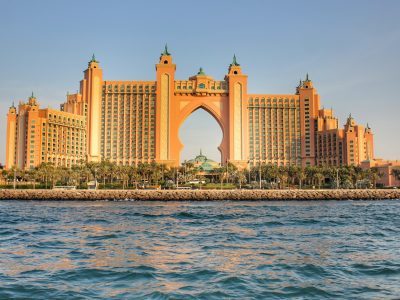
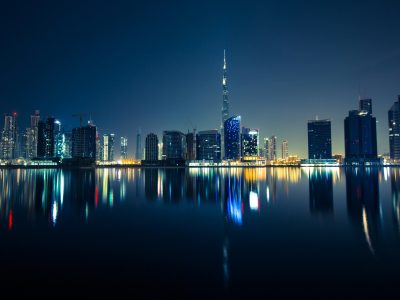
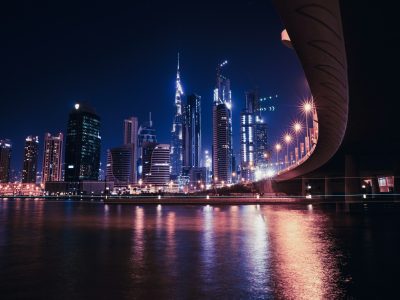
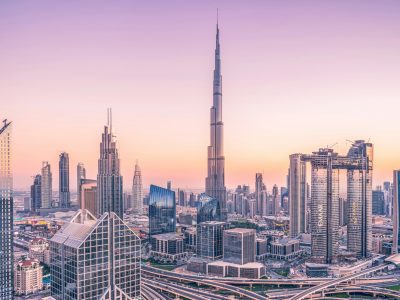
Dubai is known for its record-breaking landmarks—the Burj Khalifa (the world’s tallest building), Palm Jumeirah, and Dubai Mall—and for attractions that seamlessly blend tradition with modernity, such as the historic Al Fahidi District alongside cutting-edge museums and theme parks.
The emirate’s location, midway between East and West, makes it a key aviation hub, while its tax-free environment, luxury lifestyle, and dynamic hospitality sector continue to draw millions of visitors each year.
Dubai’s vision for the future is equally compelling, with pioneering projects in green energy, smart city development, and space exploration shaping its global identity.
From desert safaris and souks rich with spices and gold, to futuristic skylines and world-class entertainment, Dubai embodies a unique duality: a city rooted in Arabian heritage yet constantly redefining the future.
 By Air
The most convenient way to reach Dubai is by air. Dubai International Airport (DXB) is the main gateway. It is one of the busiest airports in the world and is well connected to 200+ global destinations across 100+ airlines.
 By Sea
Dubai is a major cruise destination with terminals at Port Rashid (Mina Rashid) and Dubai Harbour Cruise Terminal. Several luxury cruise liners (like MSC, Costa Cruises, Royal Caribbean) include Dubai in their itineraries from Europe, Asia, and the Mediterranean. From India there are limited direct ferry/cruise options are available. However, cruises from Mumbai sometimes include Dubai as a stop. From Oman, Muscat to Dubai cruises/ferries operate seasonally.
 By Road
Dubai is well connected by highways to other Emirates and neighboring countries. From Oman, via Hatta or Al Wajajah border checkpoints (~5–6 hrs drive from Muscat). From Saudi Arabia, enter through Al Batha border, connecting to Abu Dhabi/Dubai highways (~8–10 hrs drive from Riyadh). Roads are excellent, with fuel and rest stops easily available.
Arrive at Airport by 1:30 PM
In the evening take the traditional Abra ride across Dubai Creek for a classic Dubai experience
In the morning, visit Dubai Mall, check out the Aquarium and Underwater Zoo
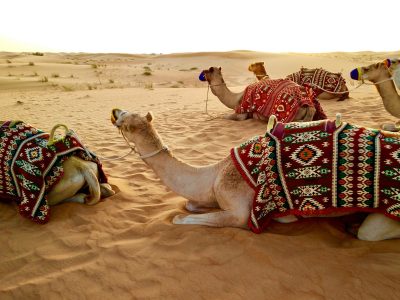
In the evening explore and enjoy the Desert Safari with dune bashing, camel rides, BBQ and other activities
In the morning visit Dubai Miracle Garden—the world’s largest floral garden, best visited between October–April
In the afternoon Head to Global Village (seasonal open-air festival with pavilions, food, and cultural shows)
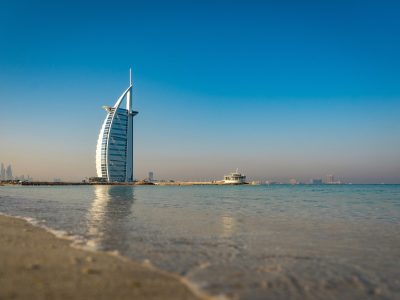
In the evening, relax at Kite Beach or visit Souk Madinat Jumeirah with views of Burj Al Arab and a pleasant marketplace vibe
In the morning visit “The View at the Palm” OR “Burj Khalifa 124th Floor”
Transit to Dubai Airport for onward journey
How can I reach Singapore?
Do I need a visa to visit Dubai (UAE)?
Yes, Indian citizens require a visa to enter Dubai. Tourist visas can be applied online, through travel agencies. Many travelers opt for a 30-day tourist visa.
Typically how many days do I need to visit Dubai?
It totally depends on the places one wishes to cover. A 3N/4D trip is ideal for covering the main highlights like Burj Khalifa, Dubai Mall, Desert Safari, and a Dhow Cruise. However, 5–6 days allow you to explore at a more relaxed pace, including day trips to Abu Dhabi.
What languages are spoken in Dubai?
Arabic is the official language, but English is widely spoken and understood, especially in tourism, hotels, and business. Hindi, Urdu, Malayalam, and Tagalog are also commonly heard due to Dubai’s large expatriate population.
What currency is used in Dubai?
The currency is the UAE Dirham (AED). ATMs are widely available, and most hotels, restaurants, and shops accept international credit/debit cards.
What electrical outlets are used in Dubai?
Dubai uses Type G electrical outlets with a standard voltage of 230V. It’s advisable to carry a universal travel adapter.
Are there any cultural customs I should be aware of?
Yes. Dress modestly in public places and when visiting mosques. Avoid public displays of affection. During Ramadan, eating and drinking in public during daylight hours is not permitted.