
Vietnam: Where Timeless Traditions Meet Timeless Beauty
Vietnam is a captivating country in Southeast Asia, stretching along the eastern edge of the Indochinese Peninsula, bordered by China, Laos, Cambodia, and the South China Sea. Known for its dramatic landscapes, rich history, and warm hospitality, Vietnam offers a travel experience that is both culturally immersive and visually stunning.
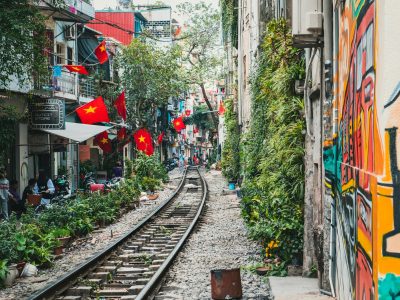
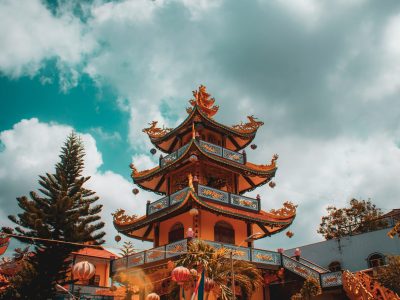
With a civilization shaped by centuries of dynasties, colonial influences, and resilience through conflict, Vietnam today stands as one of Asia’s most dynamic and fast-growing destinations. From ancient temples and imperial cities to modern skylines and vibrant street life, the country beautifully balances its past with a forward-looking spirit.
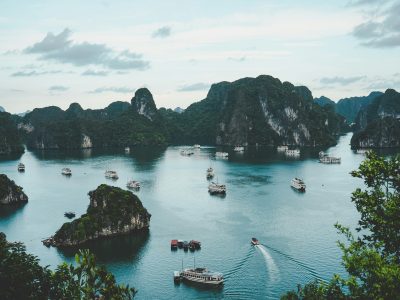
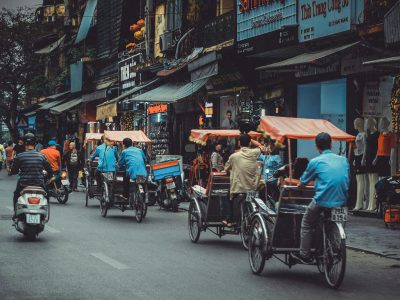
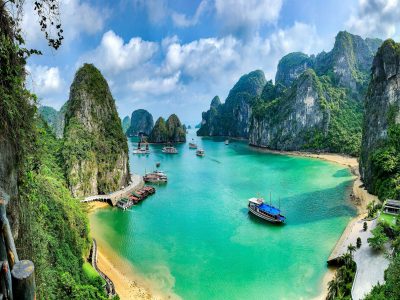
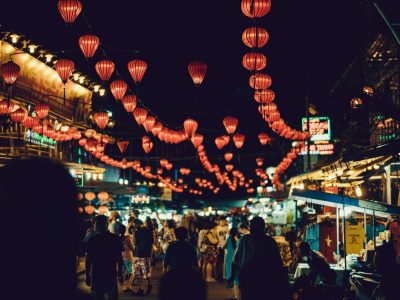
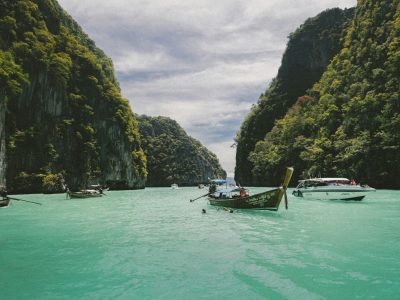
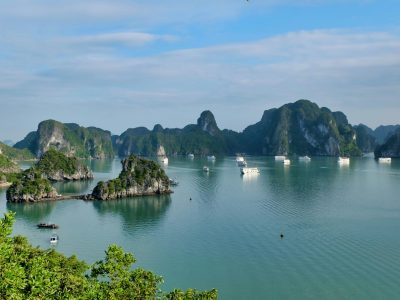
Vietnam is home to over 100 million people and boasts remarkable regional diversity. The north enchants with misty mountains, rice terraces, and the iconic limestone karsts of Ha Long Bay. Central Vietnam preserves royal heritage in Hue and lantern-lit charm in Hoi An, while the south pulses with energy in Ho Chi Minh City and the fertile Mekong Delta.
The country is globally celebrated for its cuisine—fresh, flavourful, and balanced—featuring world-famous dishes like Pho, Banh Mi, and fresh spring rolls. Street food culture is deeply ingrained in daily life and is a highlight for visitors.
Vietnam’s tourism appeal lies in its variety: tranquil beaches in Da Nang and Phu Quoc, scenic hill towns like Sapa and Da Lat, bustling cities, historic war sites, river cruises, and eco-adventures. Despite its growing popularity, Vietnam remains excellent value for money, making it ideal for both budget and premium travellers.
With improved infrastructure, welcoming locals, and a strong focus on sustainable tourism, Vietnam continues to emerge as one of Asia’s most rewarding travel destinations.
From emerald bays and golden beaches to ancient towns and vibrant cities, Vietnam is a journey through culture, nature, and unforgettable experiences.
 By Air
The most convenient way to reach Vietnam is by air. Major international airports include: Hanoi – Noi Bai International Airport (HAN), Ho Chi Minh City – Tan Son Nhat International Airport (SGN) and Da Nang International Airport (DAD).
These airports are well connected to India, Southeast Asia, the Middle East, Europe, and Australia through direct and connecting flights operated by Vietnam Airlines, VietJet Air, Singapore Airlines, Thai Airways, Emirates, and others.
 By Sea
Vietnam has several international ports such as Ha Long, Da Nang, Nha Trang, and Ho Chi Minh City. Many luxury cruise liners operating in Southeast Asia include Vietnam as a key port of call. Direct sea travel from India is limited, but cruises from Singapore, Hong Kong, and other Asian hubs frequently stop in Vietnam.
 By Road
Vietnam is accessible by road from neighboring countries like Cambodia, Laos, and China through international border crossings. Overland travel is popular among backpackers and regional travelers exploring Indochina.
Arrive at Airport by 2:00 PM
Check-in and rest of the evening at leisure
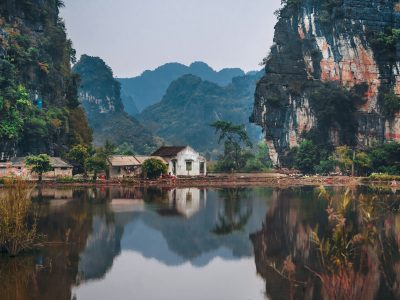
Full day excursion to Ning Binh often referred to as “Ha Long Bay on Land”. Visit Hoa Lu Ancient Capital and Trang An scenic landscape
Full day city tour of Hanoi
Full day tour of Ha Long Bay followed by overnight stay in cruise
Transit from Ha Long Bay to Hanoi airport for onward journey
By Air: The easiest and fastest option via Hanoi, Ho Chi Minh City, or Da Nang.
By Sea: Via international cruise routes across Southeast Asia.
By Road: From Cambodia, Laos, or China through designated border points.
Yes, Indian citizens require a visa to enter Vietnam. Tourists can apply for:
E-Visa (valid up to 90 days)
Visa on Arrival (with pre-approval letter)
The e-visa process is simple and commonly used by Indian travelers.
A 5N/6D trip is ideal for covering one or two regions (e.g., Hanoi–Ha Long Bay or Ho Chi Minh City–Mekong Delta). A 7–9 day itinerary allows a well-rounded experience covering North, Central, and South Vietnam at a comfortable pace.
Vietnamese is the official language. English is widely spoken in tourist areas, hotels, restaurants, and among younger locals. Basic English communication is usually sufficient for travelers.
The currency is the Vietnamese Dong (VND). Credit and debit cards are accepted in major cities, hotels, and restaurants, though cash is useful for local markets and small eateries.
Vietnam uses Type A, C, and D plugs with a standard voltage of 220V. Carrying a universal travel adapter is recommended.
Yes. Dress modestly when visiting temples and pagodas. Remove shoes before entering religious places and some homes. Avoid public displays of anger, and always show respect to elders and local customs. Tipping is not mandatory but appreciated for good service.